

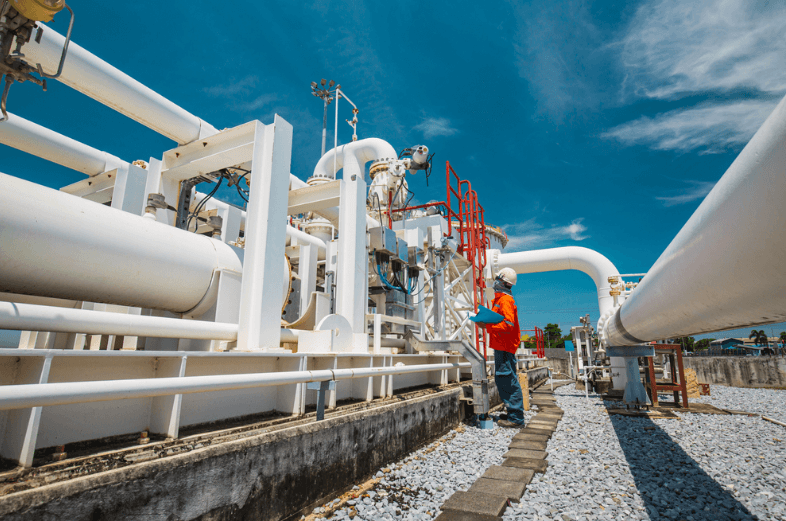
A pipeline leak can cause significant damage to the environment and lead to costly cleanup operations. Implementing an effective pipeline leak detection system is critical for ensuring the safety of their customers and the environment. In this article, we will discuss best practices for implementing pipeline leak detection systems to help & establish an effective system for identifying and addressing pipeline leaks.
Conduct a Risk Assessment
Before implementing a pipeline leak detection system, it is important to conduct a risk assessment to identify the potential sources of leaks, the areas that are most vulnerable, and the consequences of a leak. A risk assessment will help Aesthetixglobal to determine the most effective technologies and techniques to use for leak detection, as well as the locations where monitoring stations should be placed.
Choose the Right Technology
There are several technologies available for pipeline leak detection, including acoustic sensors, infrared cameras, and data analytics. You must choose a technology that is appropriate for the type of pipeline, the environment, and the level of risk. For example, acoustic sensors are effective for detecting leaks in pipelines that transport liquids, while infrared cameras are better suited for detecting leaks in gas pipelines.
Set up Monitoring Stations
Monitoring stations should be placed at strategic locations along the pipeline to detect any potential leaks. The location of the monitoring stations should be based on the results of the risk assessment and the chosen technology. It should also ensure that the monitoring stations are regularly maintained and calibrated to ensure accurate detection.
Establish Response Protocols
In the event of a leak, it is essential to have a response plan in place. We will establish response protocols that include procedures for shutting down the pipeline, notifying authorities, and initiating cleanup operations. The response plan should also include the roles and responsibilities of the personnel involved in the response effort.
Regularly Test and Evaluate the System
Once the pipeline leak detection system is implemented, Aesthetixglobal will regularly test and evaluate the system to ensure that it is functioning properly. Testing should include simulated leak scenarios to evaluate the effectiveness of the system and identify any areas that need improvement. Regular evaluation will help to ensure that the system remains effective over time.
In conclusion, implementing an effective pipeline leak detection system is critical for ensuring the safety of their customers and the environment. By following these best practices, Aesthetixglobal UAE can establish an effective system for identifying and addressing pipeline leaks. It is important to remember that a pipeline leak detection system is an ongoing process that requires regular maintenance, testing, and evaluation to remain effective.