

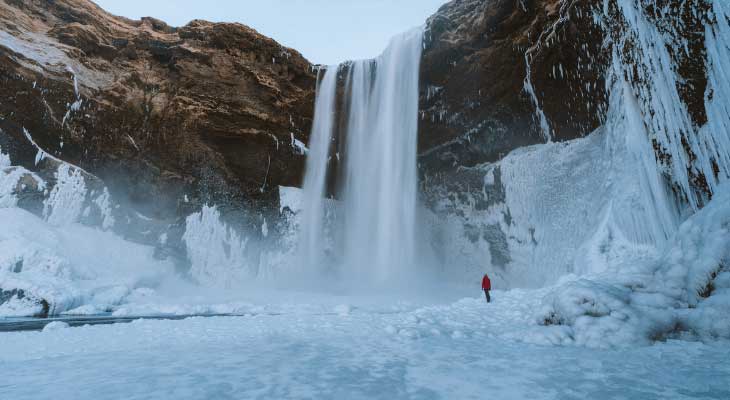
The Frozen River Trek, famous as the Chadar Trek, is probably the hardest and most challenging trip to Jammu and Kashmir District in India, showing a dreamlike setting with dynamic shades.
So such a trip is just and only for those beginners and experienced travelers who encounter a couple of journeys and want to find a definite eager energy.
Chadar-Trek
The trip in the Ladakh district is a colder time of the year. The district of Zanskar is also known for its shocking view and Buddhist cloisters in Tibetan style.
This exhilarating journey through several beautiful valleys, mountain surrenders, and frozen waterfalls is along the ice-obstructed waterway below the shining blue winter skies.
It is also probably the most tiring trips in the Himalayas, as travelers need to pass through rough shakes and temperatures can plunge shockingly to less than 10 degrees, an unusual condition of climate that can be difficult to accommodate.
Area Ladakh Himalaya
Duration 13 Days
Best Season Mid January – February
Grade Moderate
Altitude 3850 mts/12628 ft
Trip Length 80 km Gradual
Chadar Trek Images
Where Is Chadar Trek?
Throughout the colder time of year season, the Zanskar River freezes, giving adventurers an ideal strong stage for traveling. So envision, the path to the Zanskar valley will be a difficult yet exciting experience for the adventurers as the frozen vertical precipices are 600 m high, and the Zanskar stream is around 5 m wide.
Best Time To Visit Chadar Trek
The ideal chance to visit the Frozen River Chadar Trek is between mid-January to February as during this time the upper layer of the Zanskar River freezes. The stream resembles a sheet of ice; subsequently, it is alluded to in the nearby language as ‘Chadar’ which means cover.
Understand more: Hidden Hill Stations In India
The colder time of year in Ladakh locale is freezing with nature. From January to February the days are moderately hotter yet there will be a chill noticeable all around. Early mornings, nights and evening times are very virus.
Daytime temperatures in Leh, and on the trip, will be between – 25°C to 6°C and evening time temperatures can drop to – 25°C to – 35°C. There is substantial snowfall in January and February and everything around is canvassed in unblemished white snow.
Chadar Trek Highlights
Trip along the traditional winter exchanging course interfacing Padum to Ladakh along the frozen Zanskar River.
This is a burdensome experience several gatherings making the trip each year. The conditions on the stream can differ so an adaptable methodology is required!
Gain understanding into the nearby culture of Zanskar and you will get a one of a kind chance to homestay in the delightful Zanskari towns en route.
Go for a touring visit to investigate the compositionally rich Gompas and fortifications around Leh as you let yourself adapt to the height.
Witness uncommon Ladakhi fauna species like Snow Leopard, Ibex, Himalayan Thar, blue sheep, and so on
How To Reach Chadar Trek?
Via Air:
Leh Kushok Bakula Rimpochee Airport is the primary air terminal around there. There are a lot of flights like Air India and Go Air that interface Leh with Delhi and with a couple of other significant urban areas in India. You can choose air travel and have a one of a kind and exciting experience of flying over the mountains.
By Road:
Leh is unavailable by means of streets and railroads during this time period(winter season).
Understand more: Sham Valley Trek Ladakh
Spots To Visit Near Chadar Trek (Zanskar Region)
1. Zanskar Valley
An intense and entrancing sight, Zanskar Valley is well known for the difficult journeys it offers. With the jagged scene of the encompassing mountains, the snow-shrouded tops, smooth progression of the hazy mists, windedness offered by the detachment and the immaculate greatness of nature, the valley is a stunning sight. This valley sits in the Zanskar scope of the incomparable Himalayan Mountains.
The reach, ascending to a height of around 6000 meters, is home to a few fascinating verdure animal categories.
2. Pensi La Pass
Known for isolating the Zanskar valley from the Suru valley.
Rich with fascinating therapeutic plants, blue-green water springs and an awesome perspective on the encompassing mountains, this locale is the best campground for adventurers who wish to revive themselves prior to continuing their excursion. An assortment of fauna are likewise present here including the regularly noticed marmots and earthy colored bears.
The Pass is likewise limited by ice sheets on the two sides, from which streams stream into the Suru and Zanskar waterway, making a captivating sight.
Yet, it is available just during the months from May to September, and the locale is lowered and risky because of substantial snowfall saw during the remainder of the months.
3. Padum
Named after an old Indian Buddhist expert called Padmasambhava who was known as the subsequent Buddha, the generally rich town of Padum rests at an elevation of 3669 meters in the Zanskar range.
The most populated town of Zanskar, Padum additionally fills in as the habitation of widely varied vegetation species.
When the known capital of the old Zanskar Kingdom, the area actually holds old relics like perplexing carvings on a huge stone arranged on the banks of the waterway Lung-nak, tracing all the way back to the eighth century.
The town additionally comprises of two antiquated Buddhist cloisters arranged on the ridge. Aside from these attractions, the amazing magnificence of the encompassing regions from this locale is too flawless to even think about being articulated.
Likewise going about as a journeying base, the scene includes huge prairies, immense farming fields, lavish green backwoods, excellent streams and the roughness of the mountains.
4. Zanskar River
As referenced over, the Zanskar River journey or the Chadar Trek is a colder time of year trail and is embraced by the absolute most intrepid spirits of the land. Probably the biggest feeder of the waterway Indus, Zanskar River rises up out of the north-bound Himalayan inclines.
Further, the Zanskar River bifurcates into the Doda feeder, which starts in nearness to the Pensi La Pass and streams close by the Zanskar Valley towards Padum, while the Kargyag waterway feeder shapes the subsequent branch arising out of the Shingo La and Tsarap waterway.
The conversion of these two feeders shapes the Lungnak stream which is additionally called as Lingti or Tsarap waterway. The whole space of the Zanskar waterway frames a U-formed valley inferable from the encompassing icy masses.
A charming sight by day just as during the evening, the waterway gives a captivating trip, particularly throughout the cold weather a long time at an incredible rise of 3800 meters making it an unquestionable requirement visit site.