
Efficient Delivery Management System Using E-Commerce Solutions

BySantosh Pawar
Jul 16, 2021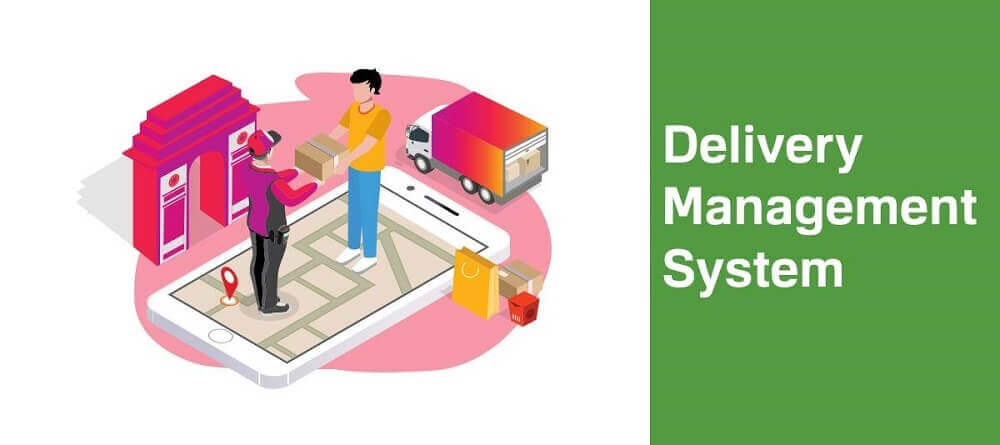
Delivery Management System (DMS) is a fully integrated enterprise resource planning (ERP) and vehicle management application that integrate the physical aspects of a trucking operation including driver and vehicle fleets. Delivery Management system automates prime delivery-based tasks including order placement, dispatch, dispatching, prioritization, and delivery tracking to ensure that every order is delivered at a cost-efficient and timely manner.
The robust design of Delivery Management system allows scheduling of loads and schedules across multiple locations in real-time. Delivery Tracking enables fleet supervisors to monitor orders, routes, loads, drivers, and vehicle status in real-time. With the help of GPS technology, fleet managers can prioritize routes or make changes in driver’s schedules.
The ERP application of last mile delivery management software helps in scheduling routes, estimating time for shipments, and setting up work orders for truck drivers. Delivery management software also assists trucking companies with warehousing requirements by enabling them to create work orders, locate pallet loads, place pick-ups, and send shipments to companies or clients across the country or around the world. Delivery software also helps trucking companies improve their customer service by helping customers make their queries or concerns about a particular route type known ahead of time. In addition, DMS provides real time inventory management by using real-time tracking of assets to determine the quantity of stock required for each pickup and delivery.
Delivery software helps track the quantity and location of all products available for pickup and delivery. Delivery Tracking is designed to make inventory control, preparation, and inventory control easier and faster, thereby increasing the profitability of every trucking operation.
In the case of warehousing, DMS can be used to analyze the efficiency of delivery operations and the performance of suppliers, distributors, brokers, and others that may be an integral part of warehousing functions. Delivery management software creates detailed reports of the processes involved in trucking companies’ distribution and warehousing activities to help achieve optimized warehousing procedures and improve supply chain performance. For example, DMS dashboardware presented in the deliforce application provide an overview of the company’s entire warehouse inventory to help managers determine when to store unused inventories or when to sell products that are not being used or in excess.
Deliforce dashboards present bar charts and pie charts with load data, sales and expense data, and other inventory-related information that make it easy for managers to make important decisions regarding warehouse sales and employee loading. This data is updated on a daily basis so that information from deliforce is as current as the real-time data it presents.
An important function of logistics visibility in the delivery management system is order management. Order management helps trucking managers prioritize orders for pickup and delivery according to urgency, timeliness, cost, and other factors. Some DMS applications offer predefined workflow tasks and order entry options so that workflows can be designed specifically to meet the needs of individual clients. In addition, DMS provides a uniform, standard visual interface for trucking managers so that they can make the best choices regarding which trucks should be assigned to certain tasks, and how those tasks should be scheduled for pickup and delivery. This benefits trucking operations by ensuring that truck drivers are making the best use of their time and resources, and also increases efficiency by allowing truck drivers to select orders that are scheduled for pickup based on their priority, timeliness, cost, or other parameters.
Delivery management system applications that include an inbuilt routing planning app allow truckers to enter pickup orders for multiple destinations and coordinate their route with dispatch staff. For example, some delivery management system dashboards present route planning options that allow route planners to enter pickup orders for a particular route or group of routes. The dashboard may also allow route planners to prioritize or decline pickups or to edit or delete pickup orders en route based on route priority, stop times, pickup priority, or other parameters.
Freight brokers use e-commerce tools like the e-commerce web portal and mobile messaging applications to connect truckers to shippers. The trucking companies send requests for freight estimates using the freight broker’s e-commerce platform. The e-commerce tool then compiles the information received from shippers and carriers and enters it into the delivery management software. The software allows the brokers to enter shipment details, accept or decline requests for shipments, and create or modify the bill of lading and shipping documents, etc. This saves time for shippers and enables them to enter more detailed information into the freight broker’s system.
Many delivery operations are integrated with customer loyalty programs and retail stores. Retail stores use customer loyalty programs to gather information regarding customers’ satisfaction with their shopping experiences. Some delivery operations offer membership discounts or other deals to members of gift card programs, reward program programs, or membership organizations. E-commerce applications help these businesses maintain records of member purchases, inventory levels, and other key performance indicators. Similarly, these e-commerce tools can be used by freight brokers to integrate their trucking and delivery management systems with accounting systems that are supported by software suites that are designed to manage financial transactions and generate reports.
Another application that is used by trucking and delivery fleets is a route mapping app, which can provide fleet management solutions for companies that have outgrown the mapping capability of GPS tracking. The route mapping app can analyze the routes that most frequently result in vehicle traffic jams and traffic accidents. Fleet managers can analyze the data, take corrective measures, and improve fleet efficiency by reallocating vehicles to cut down on delivery delays and to improve customer satisfaction.